1/13 Pages
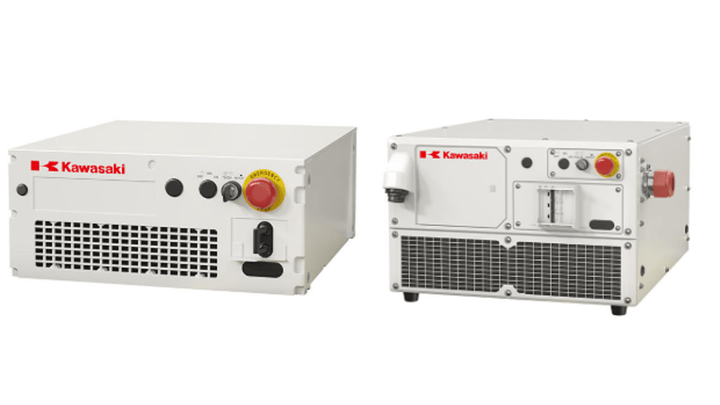
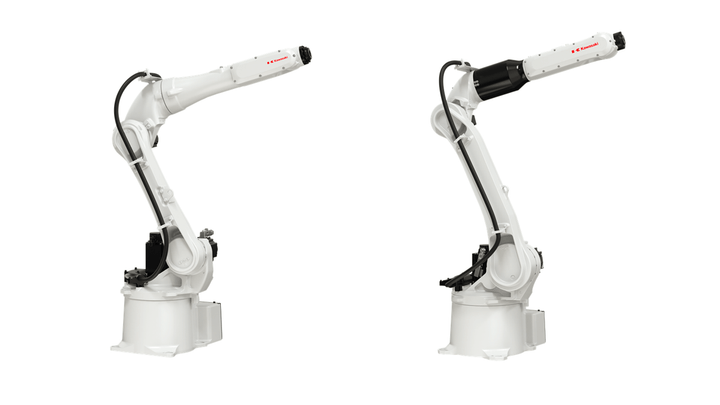
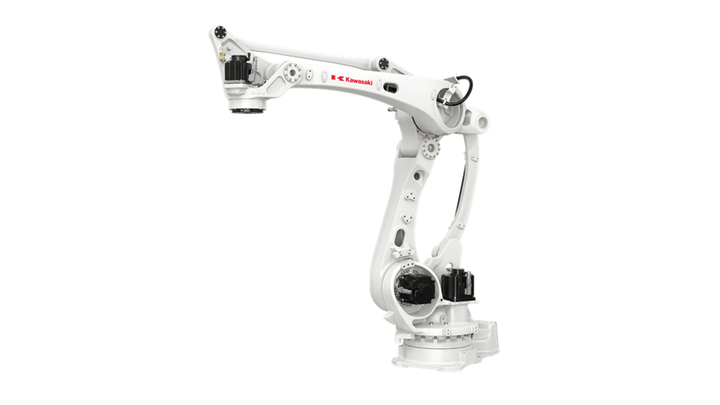
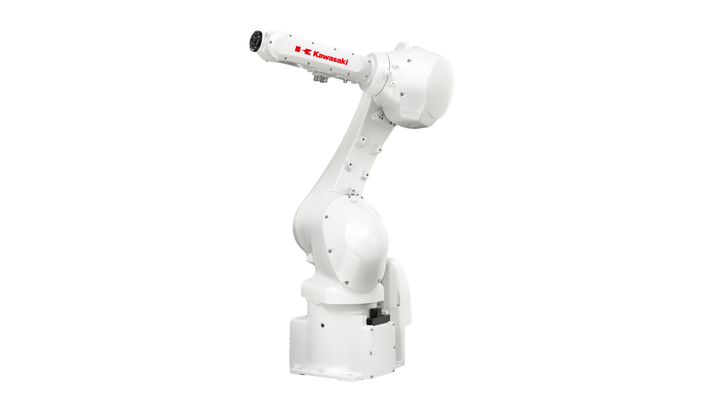
CF011N and CF022N: Easy-to-Implement General-Purpose Models Focused on Essential Performance Kawasaki Robotics is pleased to announce the launch of two six-axis robots, the CF011N and CF022N, in its new CF Series of small- and medium-payload general-purpose robots. Manufacturers have often faced a common challenge: large robots deliver high performance but are too large for the available space, while smaller general-purpose robots may not provide sufficient accuracy or speed. The CF Series was developed to address the need for a robot that offers the right balance. By focusing on the capabilities that are truly needed on the shop floor, the series combines practical performance with ease of implementation in a user-friendly […]
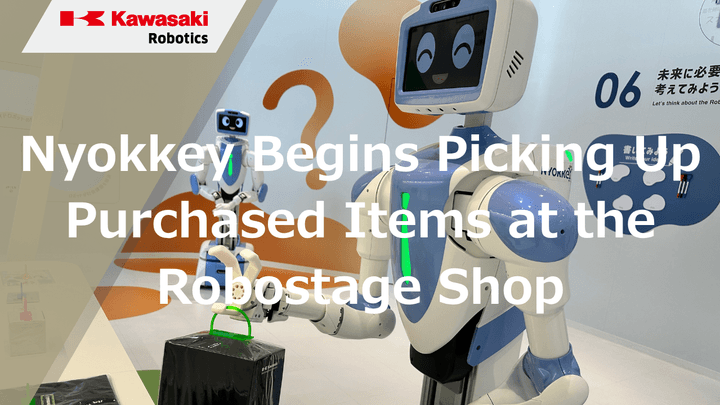
Kawasaki Heavy Industries has launched a sales corner using the social robot Nyokkey at Kawasaki Robostage, a robot learning centre in Odaiba. Nyokkey is a human […]
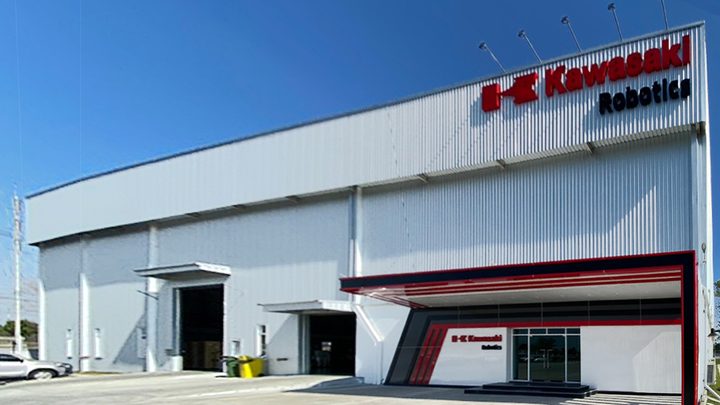
April 1, 2026 — Kawasaki Heavy Industries, Ltd. announced today that the Robot Division of Kawasaki Motors Enterprise (Thailand) Co., Ltd., a subsidiary of Kawasaki Heavy Industries Group in Thailand, has changed its corporate name to Kawasaki Robotics (Thailand) Co., Ltd. This change was made to more clearly reflect the nature of the company’s business operations. Please note that the company’s business activities, address, and other corporate information remain unchanged.

Asami Sasao, who has been involved in the development of control software for industrial robots at Kawasaki Heavy Industries Robot Division for many years, has been working for the International Federation of Roboti […] (IFR).
Kawasaki Heavy Industries Robot Business Division has launched the “neoROSET VI Planner” (VI: Visual Inspection), a tool equipped with teaching and simulation functions for visual inspection robots. neoROSET VI Planner is an extended plugin of the robot simulation software “neoROSET,” released at the end of last year. It includes three applications tailored for inspecting products with complex shapes: “Path Creator,” “SLiM,” and “Path Editor.” These applications enable automated surface-normal teaching (Path Creator), visualization of inspection coverage through lighting simulation (SLiM), and automatic generation of robot motion programs (Path Editor), significantly improving teaching accuracy and operational efficiency. Compared to conventional manual teaching, the average teaching time per product type can be reduced […]