
Collaborative robots
Flexible Automation. Built Around Your Production.
Increase productivity, reduce repetitive manual work and introduce automation without the complexity of traditional robotic systems. Whether you’re introducing your first robot or expanding an existing production line, Kawasaki collaborative robots make automation simple, safe and scalable.
Key Benefits of Collaborative Robots
- Easy integration
- Safe collaboration
- Fast deployment
- Flexible production
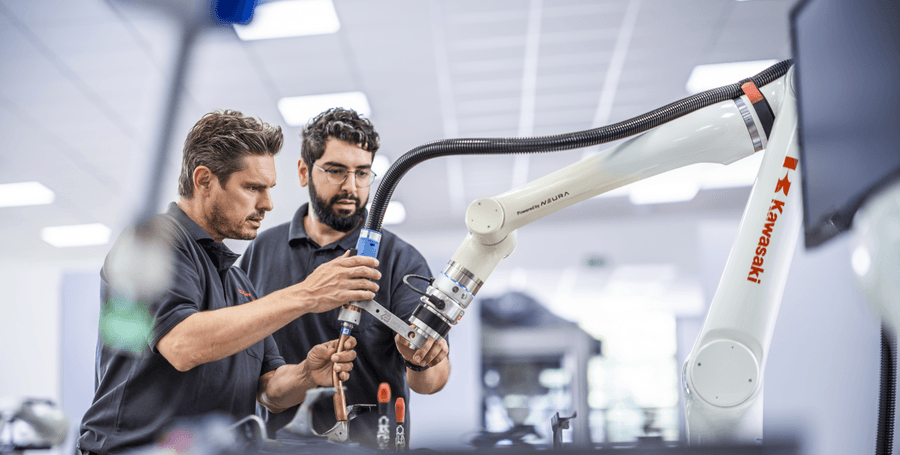
Manufacturing Is Changing. So Is Automation.
Labour shortages, increasing production costs and growing demand for flexibility are challenging manufacturers across every industry. Many automation projects don’t fail because of the technology—they fail because they’re too complex to implement, difficult to justify or inflexible once installed. Manufacturers need automation that delivers value quickly while remaining adaptable for tomorrow’s production requirements.
Common Challenges And How Cobots Can Help You
Click below to see how cobots can help you:
Labour shortages
- Cobots can support your workforce by working alongside them.
Repetitive manual tasks
- Cobots take over repetitive, physically demanding tasks, allowing your employees to focus on work that adds real value and makes the best use of their skills.
Rising production costs
- Cobots require a limited investment and can produce a quick ROI.
Frequent product changes
- Cobots are quick to deploy and easy to redeploy, collaborative robots can adapt as your products, processes and production volumes change.
Quality consistency
- Cobots deliver precise, repeatable movements that help reduce errors and ensure consistent product quality.
Limited automation expertise
- Cobots require no previous automation experience and allow intuitive and quick teaching.
Collaborative Robots That Work With Your Team
Collaborative robots are designed to safely assist operators with repetitive tasks while maintaining the flexibility modern manufacturing requires. Unlike traditional industrial robots, cobots can often be integrated more easily into existing processes, making automation accessible for a wider range of applications. With Kawasaki Robotics, you benefit from decades of industrial robotics expertise combined with user-friendly collaborative automation.
Is a Collaborative Robot the Right choice for You?
Collaborative Robots Support Many Industries:
- Food & Beverage
- Electronics
- Metal Processing and Welding
- Logistics
- Machinery
- Medical Technology
- Automotive
Collaborative Robots Are Ideal If You…
- Need flexible automation for changing production
- Produce small or medium batch sizes
- Want to reduce repetitive manual work
- Need to address labour shortages
- Want to automate without major factory changes
- Need intuitive operation and simple programming
A Traditional Industrial Robot May Be Better If…
- Extremely short cycle times are required
- Heavy payloads beyond collaborative applications are necessary
- The robot will work in fully enclosed, high-speed production cells
- You are dealing with large-volume, highly standardized manufacturing
- The robot performs repetitive tasks
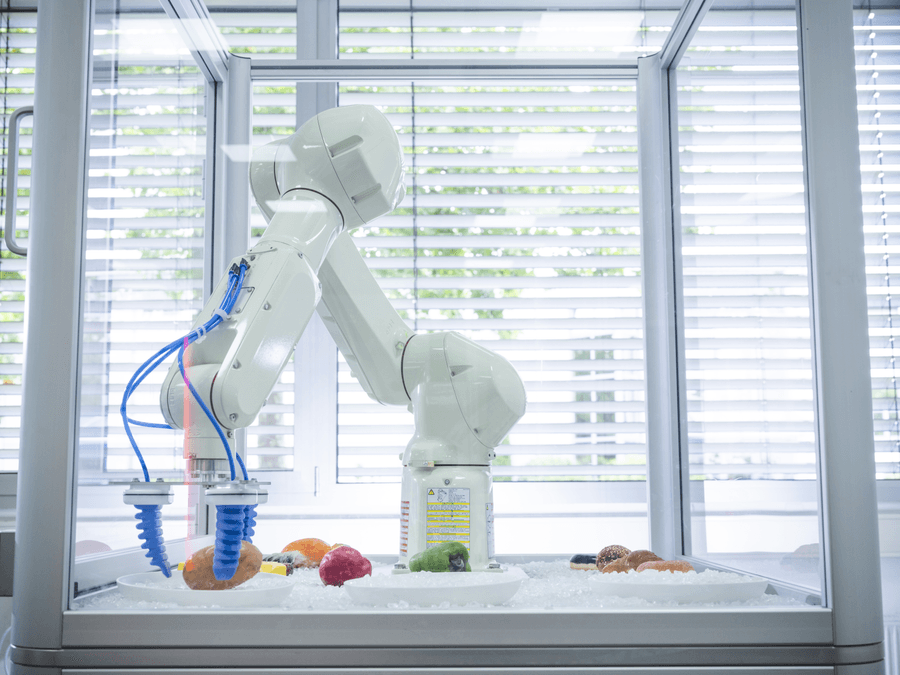
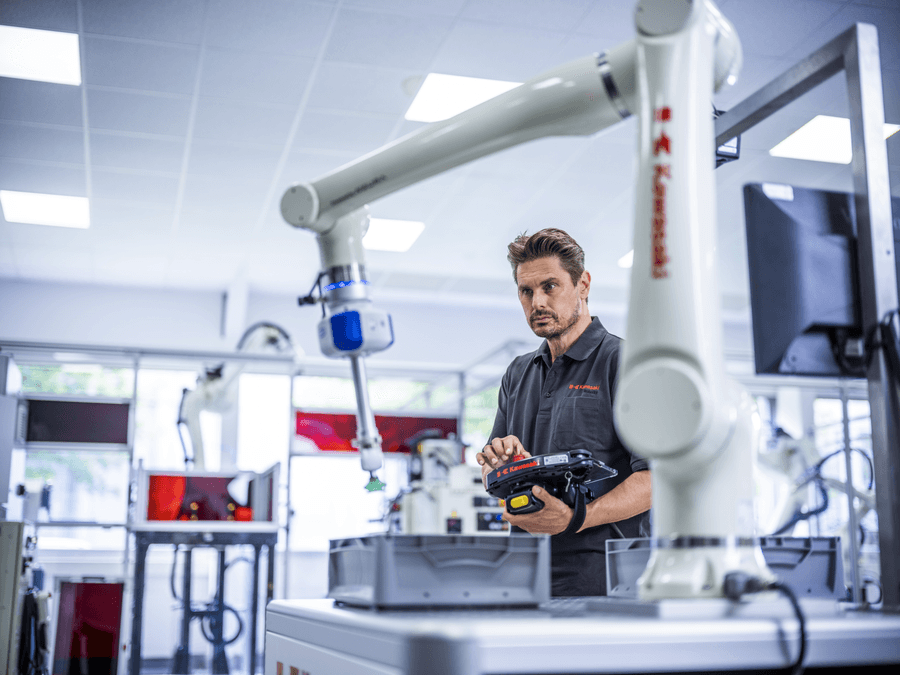
Not sure which solution is right? Our specialists are ready to help you:
Applications for collaborative robots
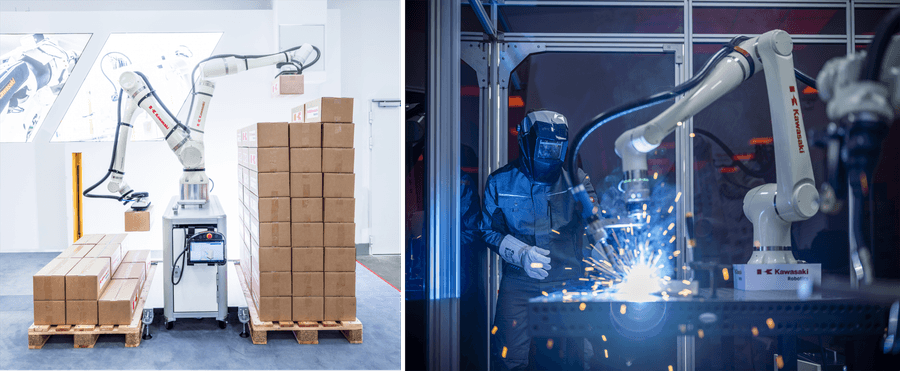
Learn more about the benefits of collaborative robots in specific applications:
Bin Picking
Challenge
- Randomly positioned components are difficult and time-consuming to handle manually, often limiting automation.
Solution
- Collaborative robots combined with intelligent 3D vision systems automatically identify, locate and pick randomly arranged parts for downstream processes.
Your Benefits
- Automated handling of unsorted parts
- Increased process flexibility
- Reduced manual handling
- Higher production efficiency
Palletizing
Challenge
- Manual palletizing is repetitive, physically demanding and difficult to staff.
Solution
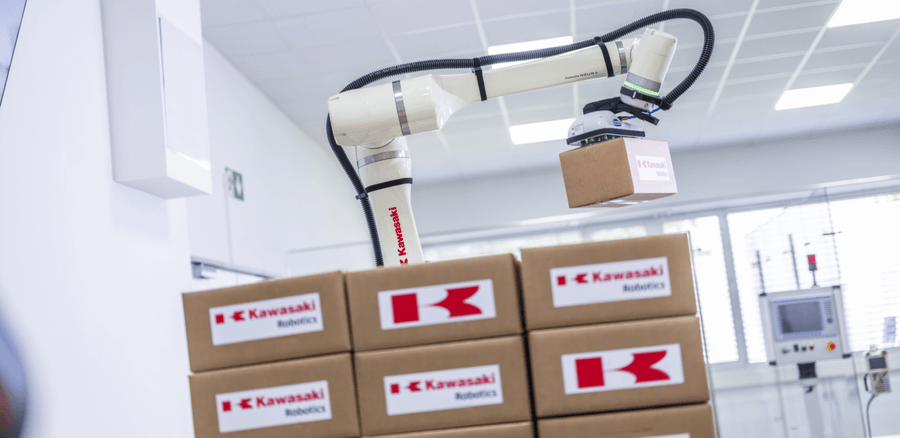
- Collaborative palletizing combines flexibility with reliable performance.
Benefit
- Improved ergonomics
- Higher throughput
- Easier staffing
Arc Welding
Challenge
- Finding qualified welders, maintaining consistent weld quality and increasing productivity are ongoing challenges for many manufacturers.
Solution
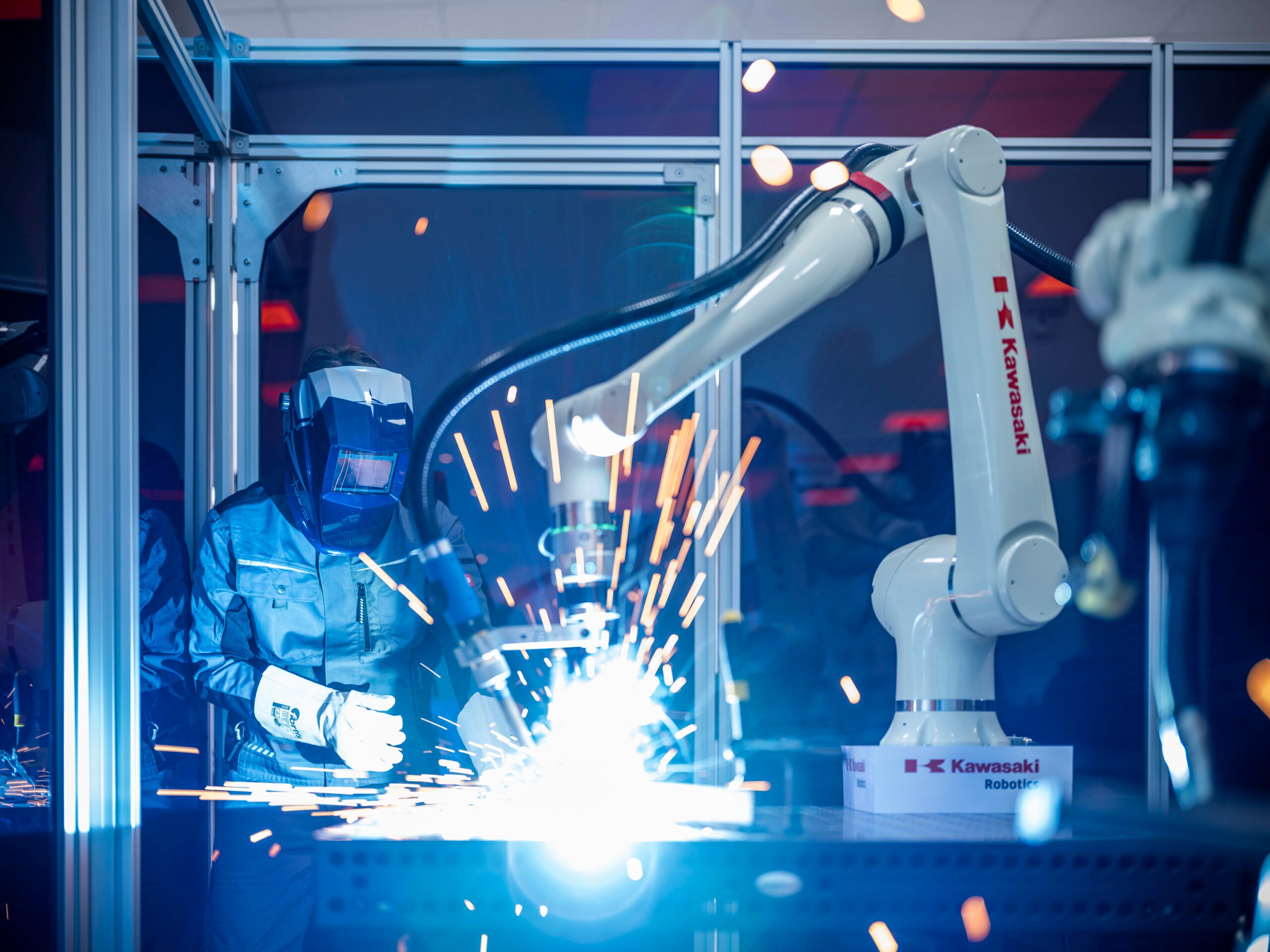
- Collaborative welding applications automate repetitive welding tasks while supporting skilled operators and ensuring consistent welding performance.
Your Benefits
- Consistent weld quality
- Increased productivity
- Reduced manual welding effort
- Easier automation of repetitive welding tasks
Assembly
Challenge
- Maintaining quality while increasing production flexibility.
Solution
- Cobots perform repetitive assembly steps with consistent precision.
Benefit
- Improved quality
- Reduced operator fatigue
- Greater consistency
Machine Tending
Challenge
- Keeping machines running efficiently while reducing manual loading and unloading.
Solution
- Collaborative robots automate repetitive loading tasks and allow operators to focus on higher-value activities.
Benefit
- Increased machine uptime
- Improved productivity
- Better ergonomics
Why Kawasaki Robotics?
More Than Just A Collaborative Robot
- When you choose Kawasaki Robotics, you’re choosing more than a robot—you gain a partner with over 55 years of industrial robotics experience.
Proven Industrial Expertise
- Trusted by manufacturers and across all industries worldwide.
Flexible Solutions
- From standalone cobots to complete automation systems – we have the portfolio to meet all of your individual needs.
Local Support
- Fast regional application engineering, support, spare parts availability and service across Europe, the Middle East and Africa.
Future-Ready Automation
- Solutions designed to scale and grow with your business.
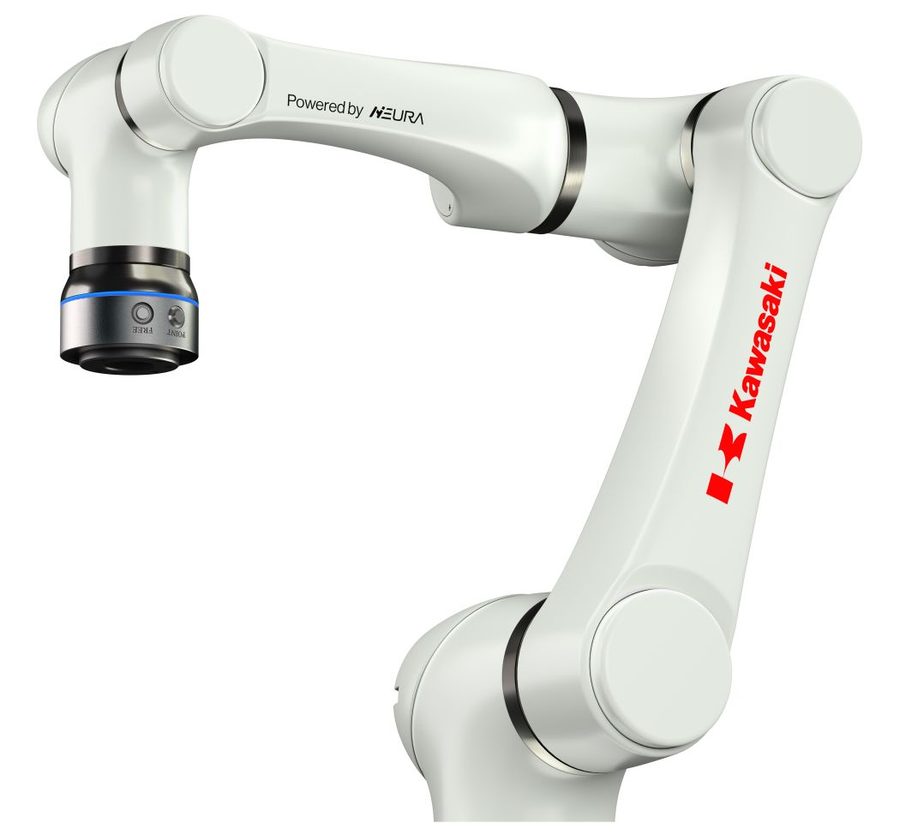
Meet the CL Series
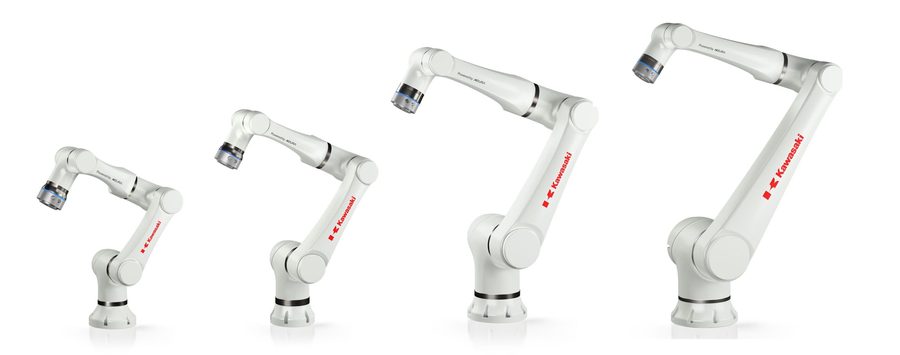

CL Series
Intuitive, Powerful and Reliable
- Flexible lineup covering 3 to 10 kg payload capacity
- Maximum reach of up to 1,300 mm
- Compact and robust design and IP66 rating
- Industry-leading speed of 200°/s, and repeatability of ± 0.02 mm for all models
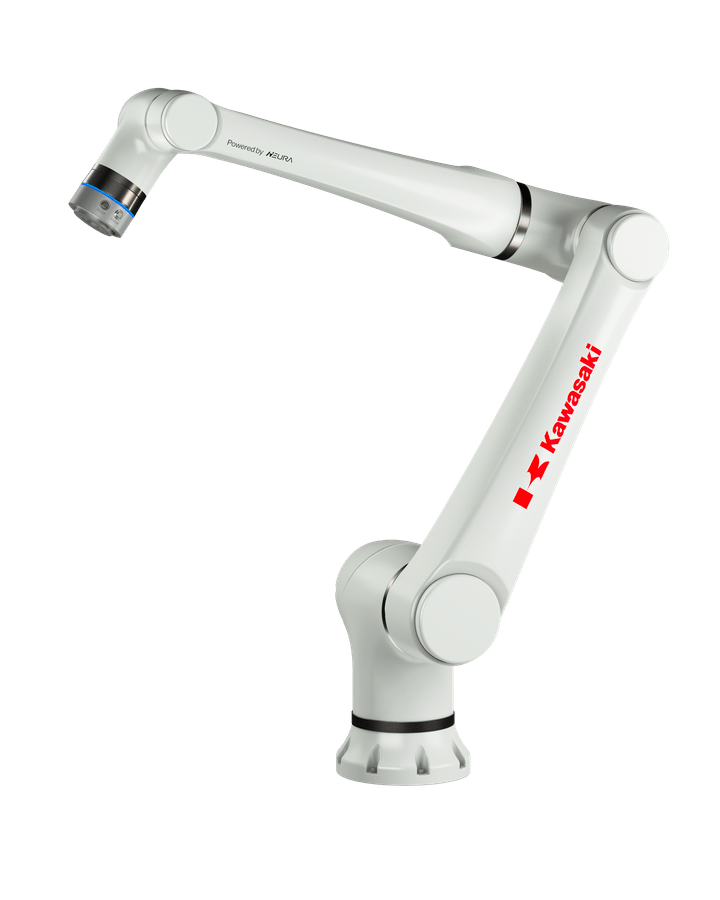
CL Series Heavy Payload
For more challenging tasks
- Flexible lineup covering 15 to 30 kg payload capacity
- Maximum reach of up to 1,800 mm
- Compact and robust design and IP66 rating
- Short cycle times and reliable processes due to high repeatability (±0,05mm) and speed (up to 5 m/s)
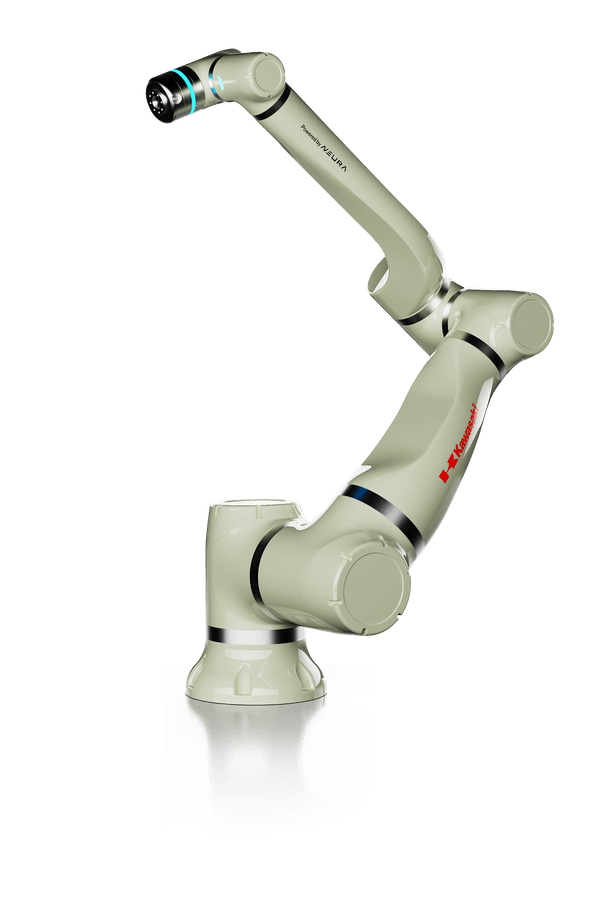
Designed for Practical Automation
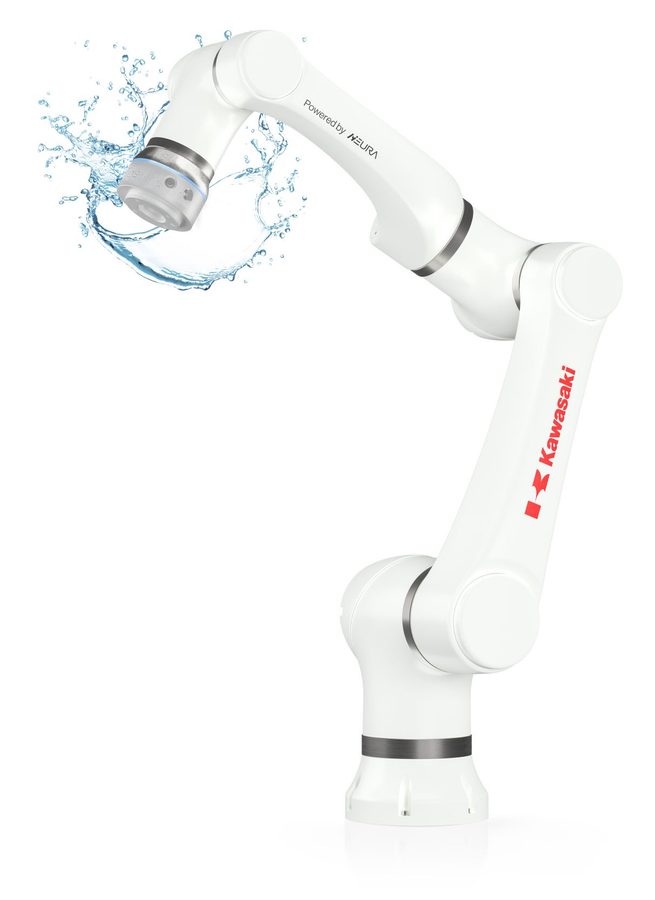
50 years of robotics expertise and leading technology made in Japan meets automation innovation made in Germany – powered by the partnership with Neura Robotics. The Kawasaki CL Series combines ease of use with industrial performance. Whether your goal is assembly, machine tending or palletizing, there’s a collaborative robot designed to meet your requirements.
- No Compromise: The CL Series offers the best of both worlds, with full-on industrial scale performance and speed paired with maximum protection and all advantages of collaborative robotics. Combined with an intuitive user interface, the CL Series makes automating production lines easier than ever before.
- Flexible Line-up: With payloads and reaches of 3kg/590mm, 5kg/800mm, 8kg/1300mm and 10 kg/1000mm, the four models of the CL Series offer the perfect solution for every scenario. Free mounting orientations, extremely small footprints and IP66 classification provide additional flexibility – for all models. With four additional heavy payload models able to move up to 30 kg, the CL Series has become even more versatile.
- Made for any Use Case and Environment: The CL Series brings together industry-leading speed of 200°/s, and repeatability of ± 0.02 mm for all models. With its compact and robust design and IP66 rating, our collaborative robot line is the perfect choice for automating simple and repetitive tasks – effectively saving costs and maximizing revenue.
- Maximum Safety: Its proprietary safety architecture and many features for safety positions, speed, torque, zones, limits and collision detection allow the CL Series Cobots to operate alongside human workers.
Experience Collaborative Automation Live
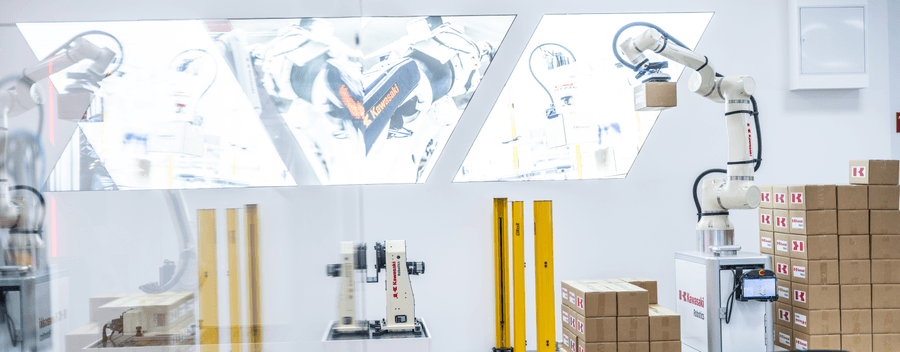
Visit the Kawasaki Robotics Experience Center and Showroom in Neuss to explore real-life collaborative robot applications, speak with our automation specialists and discover personally how robotics can transform your production.
- Live demonstrations
- Expert consultation
- Application workshops
- Proof-of-concept discussions and live tests
Ready to Take the Next Step?
Every production environment is different. Our automation specialists are here to help you determine whether a collaborative robot is the right solution—and how it can deliver measurable value for your business.