- IndustriesFood & Beverage
- ApplicationsMaterial Handling
- Robot SeriesRS series
How Daitoku Foods Achieves High-Volume, Labor-Saving Production with Robotics
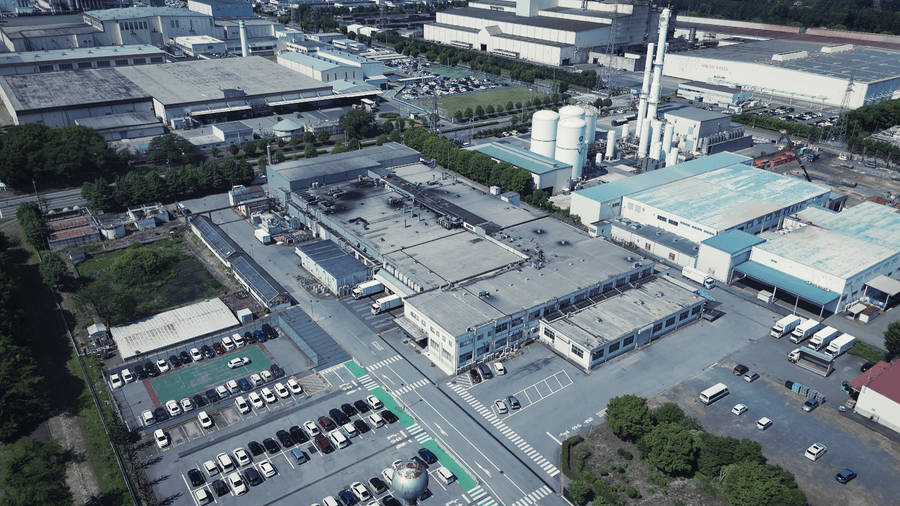
Daitoku Foods Co., Ltd. (“Daitoku Foods”), a member of the Yamazaki Baking Group, has more than 120 years of history in the food industry. Headquartered in Nara Prefecture, the company manufactures a wide range of food products, primarily noodle products, at production facilities across Japan and supplies them to major supermarkets and convenience store chains nationwide.
The Utsunomiya Plant serves as Daitoku Foods’ flagship facility in the Kanto region. Operating 24 hours a day, 365 days a year under the motto “Commitment to Quality,” the plant is equipped with advanced production facilities capable of handling a diverse product portfolio. From this facility, products are distributed across a broad geographic area, stretching from Aomori Prefecture in northern Japan to Shizuoka Prefecture in the central region.
This case study highlights how Daitoku Foods successfully introduced robotics to automate part of its food production process, improving productivity while reducing labor requirements on the manufacturing line.
Why Automate the Lid-Sealing Process?
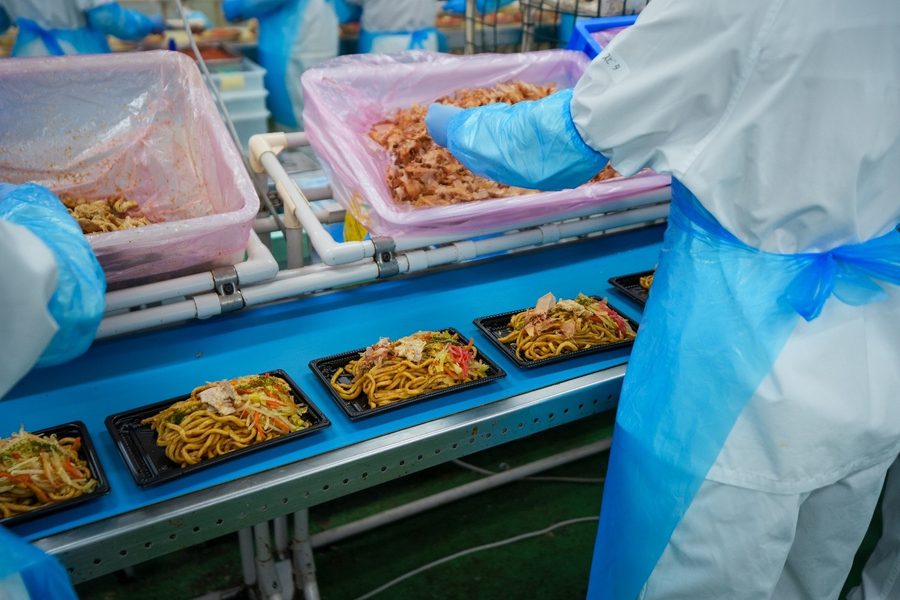
Prior to the implementation of automation, Daitoku Foods’ Utsunomiya Plant faced the following challenges:
■ Chronic Labor Shortages and Rising Labor Costs
・Difficulty securing factory personnel, particularly for repetitive manual tasks
・The need to improve operational efficiency in response to rising labor costs
■ Labor-Intensive Production Processes
・The lid-sealing process required considerable physical effort and placed a significant burden on workers.
・The repetitive nature of the work over extended periods increased physical fatigue and workload.
■ Insufficient Production Capacity to Meet Growing Demand
・Demand for yakisoba products was increasing year by year, placing greater pressure on production capacity.
・The growing adoption of outer-pack packaging increased shipment volumes, creating a need for higher production throughput.
Against this background, the lid-sealing process was identified as the highest-priority candidate for automation.
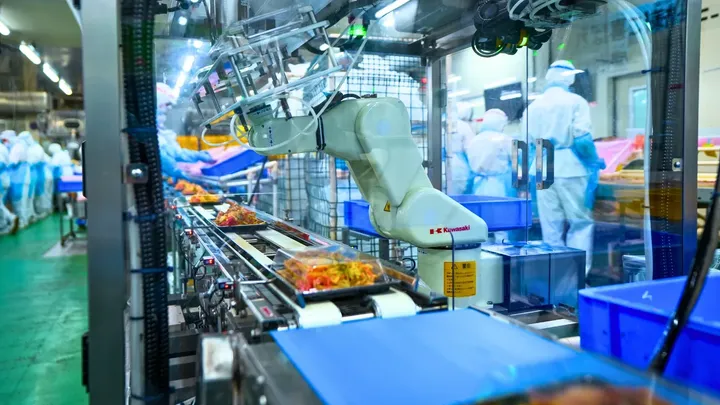
Solution: A High-Speed Lid-Sealing Robot Capable of Processing 1,300 Meals per Hour
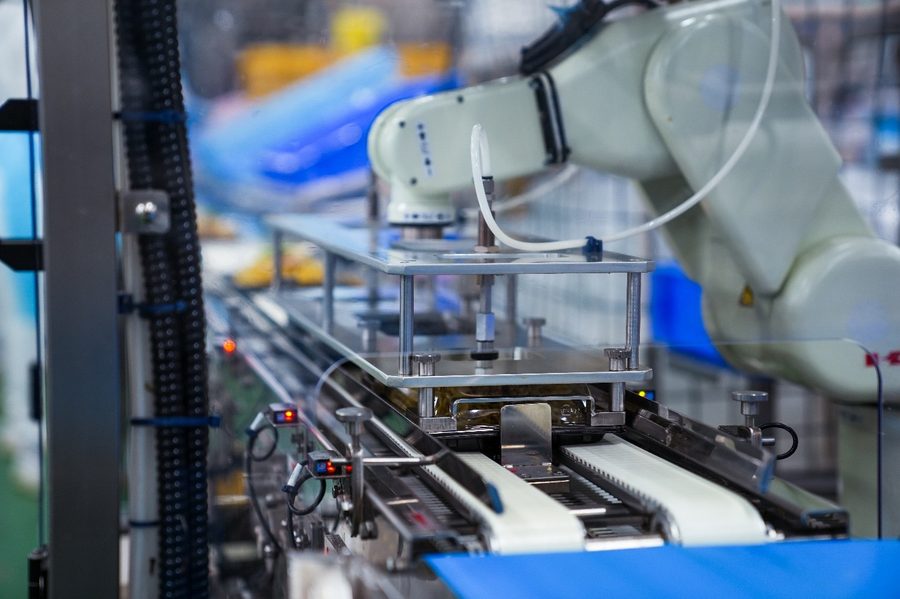
To address these challenges, Daitoku Foods introduced a dedicated robotic system to automate the lid-sealing process.
Automating this operation was not without its challenges. Factors unique to food manufacturing, including product variations, production requirements, and operational constraints, required careful system design and extensive testing. Through close collaboration with its system integration partner, Daitoku Foods refined operating conditions and implemented a series of design improvements to achieve stable and reliable automation.
The result was a high-speed robotic lid-sealing system capable of processing up to 1,300 meals per hour while maintaining the quality and production efficiency required in food manufacturing.
<Requirements>
・ Target Performance
Achieve a throughput of 1,300 meals per hour, approximately twice the processing rate of a conventional production line.
・ Food Manufacturing Requirements
Comply with strict hygiene standards while minimizing the risk of contamination from even the smallest foreign particles.
・ Support for Square Containers
Accommodate square containers, which require greater lid-sealing precision than round containers and make force control more challenging.
・Flexibility to Accommodate Frequent Product Changeovers
Designed with future product changes in mind, the system can be expanded and adapted to support a wide range of container types.
<Features of the Installed System>
・Simultaneous dual-lid handling, enabling two lids to be picked from the rack and sealed at the same time for high-speed operation
・Food-grade hygienic design that complies with sanitation requirements and incorporates measures to minimize the risk of foreign matter contamination
・Conveyor-synchronized operation without the need for a vision system, simplifying system configuration and maintenance
・Large-capacity workpiece storage, allowing continuous operation with replenishment required only approximately once every 20 minutes
・Support for complex square containers, enabling precise and reliable lid sealing even for demanding container shapes
Benefits of Implementation: Increased Productivity and Reduced Labor Requirements
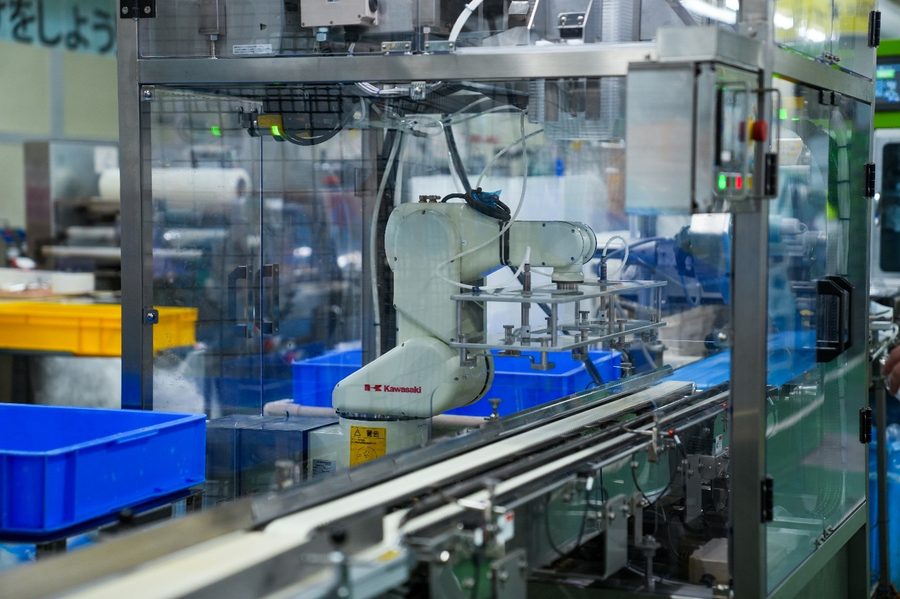
Within just four months of commissioning the system, Daitoku Foods began to see measurable results and steady progress toward its automation goals.
■ Significant Labor Savings
・The implementation reduced staffing requirements by two operators in the lid-sealing process and by six operators across the production line as a whole.
■ High Return on Investment (ROI)
・High cost-effectiveness, with an estimated payback period of approximately two years
In addition to the measurable operational benefits, the system has received positive feedback from production floor personnel:
“The physically demanding manual work has been eliminated, significantly reducing the workload.”
“The automation has been particularly beneficial for female operators.”
“Even employees from overseas can operate the system without difficulty.”
Future Outlook: Expanding Automation and Enhancing Flexibility
Looking ahead, Daitoku Foods plans to further enhance the flexibility of its automation system by expanding support for a wider variety of container types and increasing work-in-process capacity. Building on the success of the lid-sealing automation project, the company is also exploring opportunities to introduce automation across additional production processes.
Summary
The key takeaways from this automation initiative are as follows:
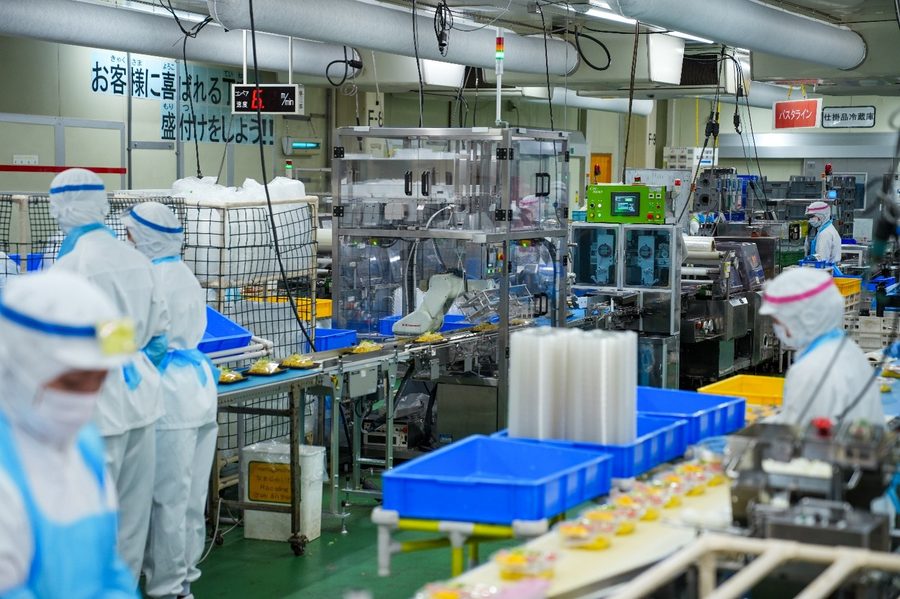
• Division of Responsibilities Between People and Robots: Clearly defining which tasks are best performed by people, such as complex portioning operations, and which are better suited to automation.
• Automation of Labor-Intensive Processes: Prioritizing the automation of physically demanding and repetitive tasks that are difficult to sustain through manual labor alone.
• Increased Production Throughput: Achieving production capacity levels that would be difficult to attain through manual operations.
Effective automation does not necessarily require large-scale investment from the outset. In many cases, the greatest benefits can be realized by first targeting simple, repetitive, and labor-intensive processes.
In this project, Daitoku Foods identified the lid-sealing process as an ideal candidate for automation due to its high workload and repetitive nature. By focusing on this specific process, the company was able to achieve measurable improvements in productivity, labor savings, and operational efficiency.
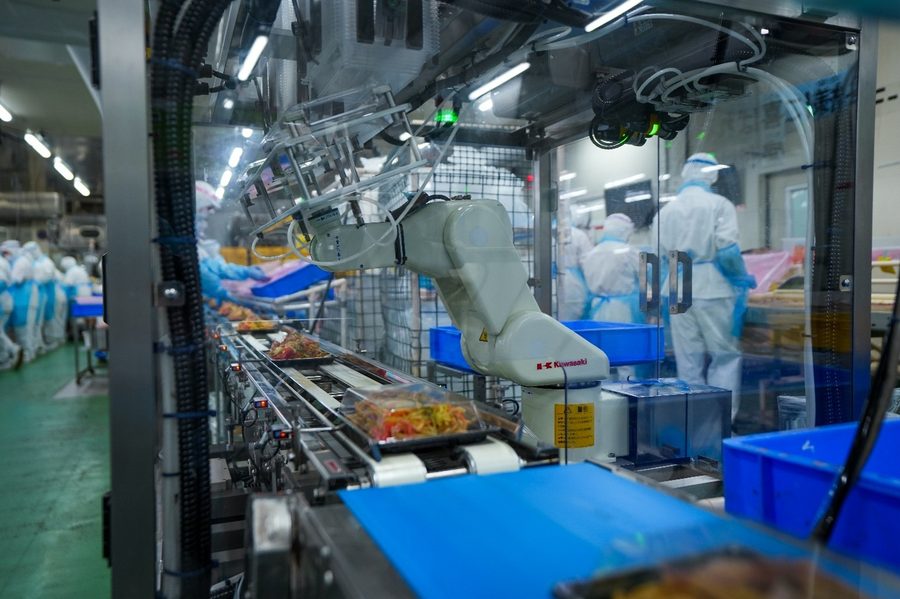
Client Profile
Company Name: Daitoku Foods Co., Ltd.
Site: Utsunomiya Plant
Industry: Food Manufacturing
Products: Prepared meals, noodle products, etc.
Related Videos
Associated Products
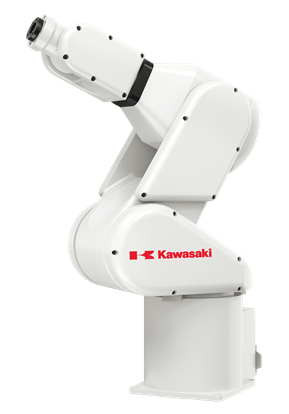
RS003N
High Speed, Low Payload, High Performance
Kawasaki’s R series robots are setting the benchmark for all small to medium duty industrial robots. The compact design, along with industry leading speed, reach and work range make the R series robots ideal for a wide range of applications throughout a multitude of diverse industries.
The RS003N model is the smallest of the R series robots, making it ideal for small-scale material handling applications requiring low payloads.