
- IndustriesMachinery & Metal Fabrication
- ApplicationsMaterial Removal, Arc Welding
- Robot SeriesBX/BT series
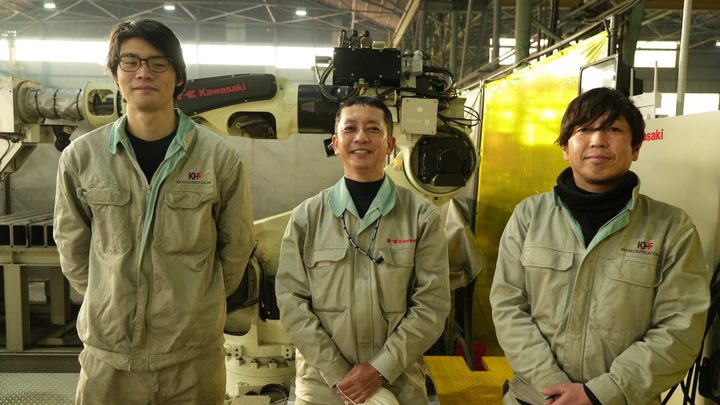
Customer: KH Facilitech Co., Ltd.
System Integrator: Kawaju Facilitech Co., Ltd.
Robots: Kawasaki RA010L Arc Welding Robots, Kawasaki BX200L High-Payload Robot
KH Facilitech Co., Ltd., a leading manufacturer of complex steel structural components in Japan, implemented robotic automation to improve the production of large steel tunnel segments. Working with system integrator Kawaju Facilitech Co., Ltd., the company deployed Kawasaki Robotics solutions to automate both welding and endmill cutting processes for large structural components.
By integrating Kawasaki RA010L arc welding robots and a BX200L high-payload robot for machining, the company achieved improved welding consistency, increased throughput, and reduced operator workload. The automated solution allows KH Facilitech to efficiently process large steel structures used in major infrastructure projects such as tunnels, stadiums, and transportation hubs.
The robotic system enables consistent production quality and provides the flexibility needed to handle large and complex steel workpieces.
The Challenges with Custom Large Steel Structure Manufacturing
KH Facilitech specializes in producing large, custom steel structures used in infrastructure and architectural projects. These structures include tunnel segments, stadium roof trusses, and large steel frameworks with complex three-dimensional geometries. Many of these parts are extremely large and heavy. Individual steel components used in tunnel segment construction can exceed 5 meters in length and weigh between 2 and 5 tons. Historically, welding and finishing operations for these components were performed manually by highly skilled operators. However, this approach created several challenges:
1. Quality variation between operators: Manual welding can produce inconsistent weld bead height and geometry depending on the skill level and technique of individual workers.
2. Difficult automation of large custom structures: Because KH Facilitech typically produces unique parts rather than high-volume products, traditional automation solutions were difficult to implement.
3. Labor-intensive finishing operations: After welding, weld beads needed to be machined or cut to meet specifications. This finishing process was highly manual and time-consuming.
4. Long cycle times: The machining process alone could take up to one and a half days per steel segment piece when performed manually.
To remain competitive and meet increasing production demands for infrastructure projects, KH Facilitech needed a solution that could:
- Improve weld consistency
- Reduce operator workload
- Increase production efficiency
- Enable automation of downstream processes such as machining
KH Facilitech and Kawaju Facilitech designs an integrated robotic welding and machining system using Kawasaki robots.
To address these challenges, KH Facilitech and Kawaju Facilitech designed an integrated robotic welding and machining system using Kawasaki robots.
The automated production cell includes:
- Two Kawasaki RA010L arc welding robots
- One Kawasaki BX200L robot for metal machining
- Custom travel units and positioning systems
- Automated tool change systems
- Touch sensing for precise workpiece positioning
Robotic Welding Automation
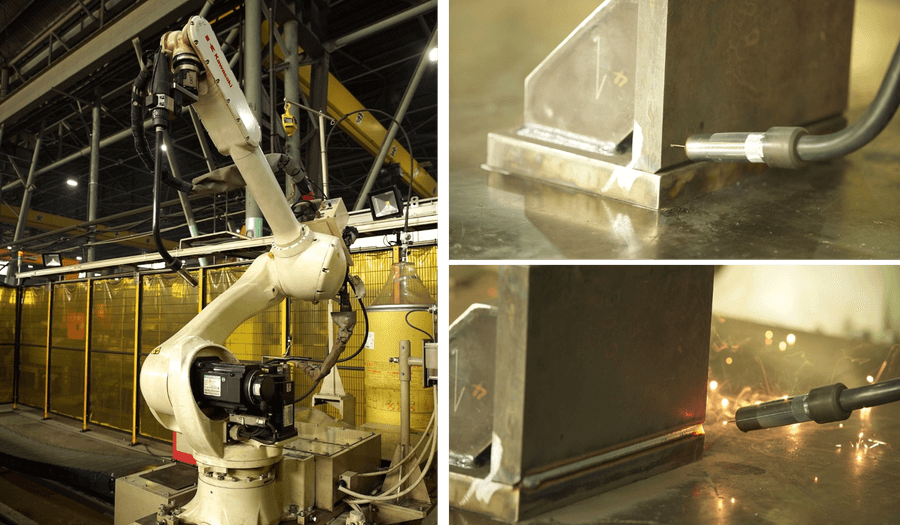
Two RA010L arc welding robots are installed on traverse units positioned on both sides of the workpiece. This configuration enables simultaneous welding from both sides of large steel components.
The welding sequence includes:
- Welding wire preparation
- Torch nozzle cleaning
- Application of anti-spatter solution
- Touch sensing to detect the exact weld location
- Multi-pass welding along the groove between base plates
The RA010L robots maintain consistent welding parameters—including speed, angle, and weld sequence ensuring uniform weld quality across all parts. Because the robots perform the welding operations under identical conditions, weld bead height remains consistent throughout the process.
Robotic Metal Machining
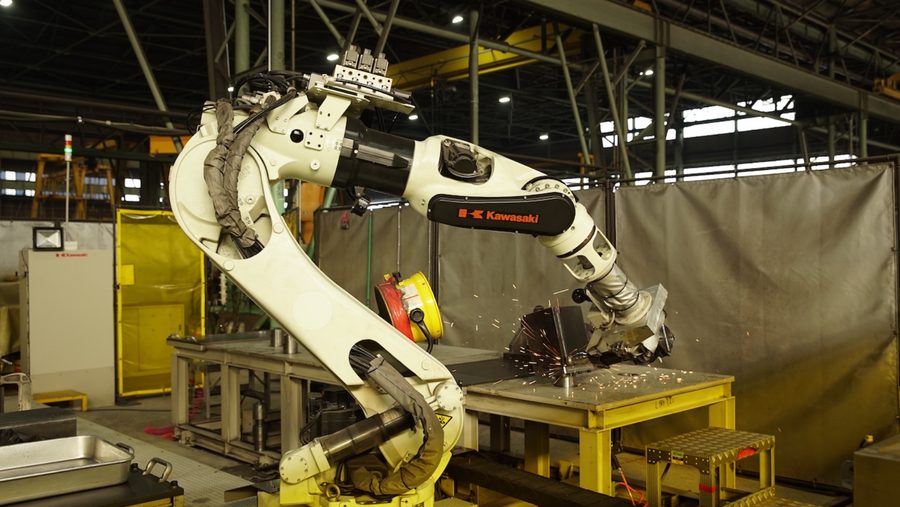
Once welding is completed, a Kawasaki BX200L high-payload robot performs the finishing process by machining the welded parts.
The BX200L robot is equipped with:
- High-power spindle motor
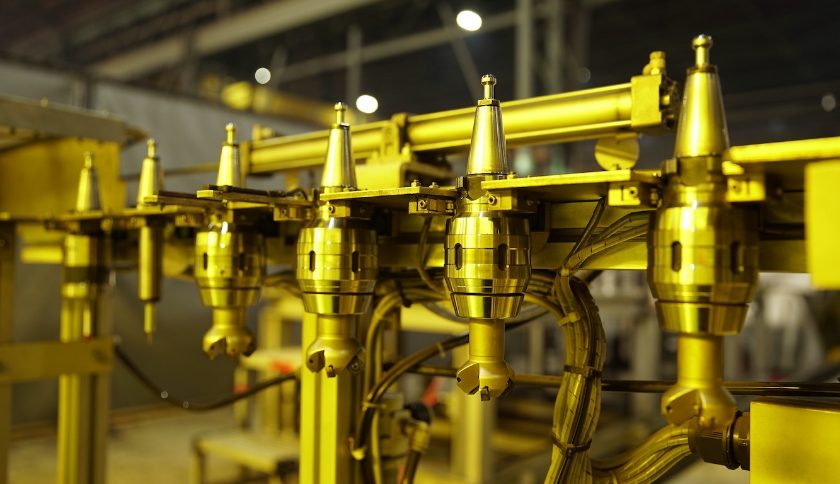
- End-mill cutting tools
- Tool changer for multiple cutting tools
- Touch probe for automated position detection
The cutting workflow includes:
- Robot moves to tool changer
- Touch probe is installed
- Workpiece position is detected
- Probe is replaced with cutting tool
- Robot performs automated machining
The robot’s high payload capacity helps absorb vibration and withstand cutting forces, ensuring stable machining performance. The machining cell includes two workstations, allowing the robot to process one workpiece while another is being loaded or unloaded. This greatly improves production efficiency.
The results
The robotic automation system delivered significant operational improvements for KH Facilitech.
Increased Production Efficiency: Automating the machining process reduced finishing cycle time by up to 25% compared with manual operations. The dual-workstation layout also allows continuous operation, minimizing downtime between parts.
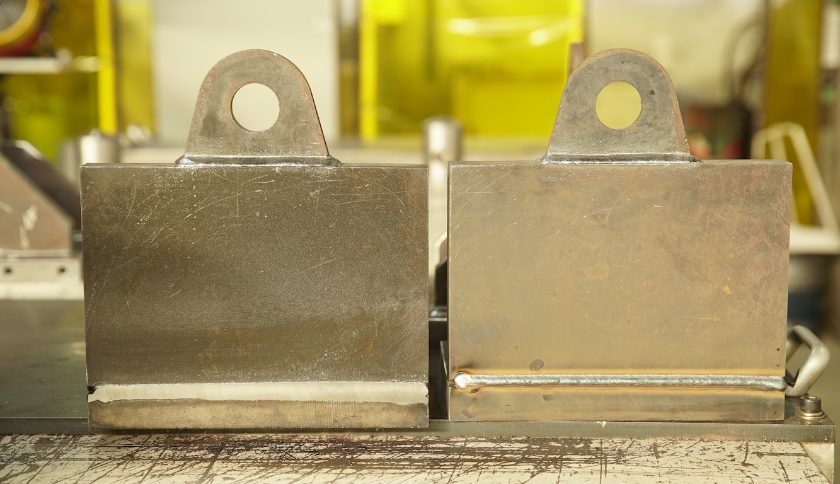
Improved Weld Quality and Consistency: Robotic welding ensures consistent weld parameters and bead geometry, eliminating variations that occur with manual welding. Stable weld bead height also makes it possible to automate downstream machining processes.
Reduced Labor Requirements: The welding process previously required two operators. With the robotic system, the operation can now be monitored by a single operator. Automation also allows unattended operation during nighttime hours, further increasing productivity.
Improved Worker Safety: By automating both welding and machining tasks, the system reduces worker exposure to hazardous processes such as arc welding, grinding, and cutting.
Flexible Automation for Large Workpieces: Compared to large, dedicated machining equipment, the robotic system requires less floor space and can be reprogrammed for different workpieces. This flexibility allows KH Facilitech to efficiently handle a wide variety of large steel components.
About KH Facilitech Co., Ltd.
KH Facilitech Co., Ltd. is a Japanese manufacturer specializing in large steel structures used in infrastructure and architectural projects, including stadiums, bridges, transportation hubs, and tunnels. The company is known for producing complex three-dimensional steel frames used in iconic structures such as stadium roofs and large transportation facilities.
Application Video
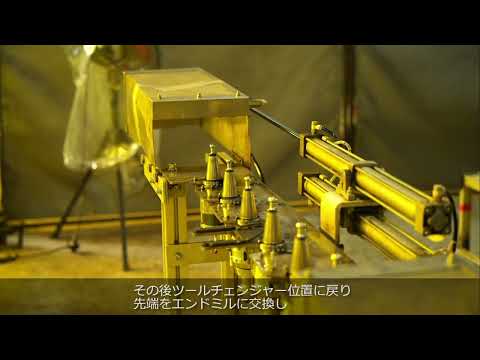
A Kawasaki BX200L machines large and complex steel parts using an endmill.
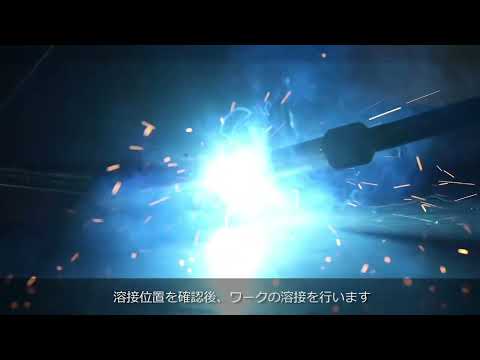
Kawasaki RA010L situated on a RTU welds large steel parts for manufacturer of complex steel parts.
Associated Products
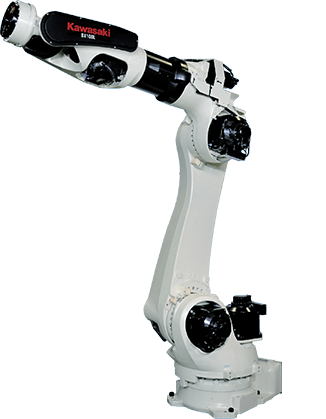
BX200L
Flexible, Heavy Duty Robot
The BX200L features a hollow wrist for housing cables and hoses. The robust, yet lightweight arm design provides functionality, flexibility and efficiency for maximum spot welding effectiveness and multiple-purpose usage.